


Overview
Synthesis Incubators at CWS promote synthetic transdisciplinary science collaboration on actionable water challenges. Preference is given to incubators that:
- Are transdisciplinary in scope
- Engage students as leaders and/or participants
- Have UC Davis Senate faculty participation (especially from multiple departments and colleges). External agency, stakeholder, or non-UC Davis faculty participation is encouraged, in addition to UCD faculty participation.
- Include PIs/co-PIs from multiple disciplines and leverage some CWS resources (scientists, space, etc).
- Have the potential to develop into a large competitive extramural grant proposal.
Topics could include, but are not limited to:
- Drought adaptation and management
- Recommended change in land and water management of the Central Valley
- Advancing understanding and management of thermal regimes
- Synthetic review of the role of wetlands/floodplains (broadly defined) in the ecology and management of California water
- Understanding emerging socioecological impacts from SGMA
- Long-term synthesis of physicochemical and ecological dynamics in California estuarine habitats
- Science towards smarter California water laws
- Synthesis of existing and/or emerging genomics data for better natural resource management
- Quantifying long-term baseline conditions in the Klamath River prior to dam removal
- Synthesis of fish otolith microchemistry data: potential for improved decision making
- Quantifying climate change risk of endemic aquatic species in California
- Synchrony of thermal and hydrologic environments in California
- Broad lessons learned from multiple studies utilizing particle flow models
- The role of alpine lakes in California water
In the 2022 beta competition, CWS leadership awarded 3 teams funding of up to $20,000-$40,000 for a two-year time frame.
2022-23 Projects

Towards an individual-based model of green sturgeon and water management in Central California
This project seeks to develop an individual-based model of green sturgeon that will be used to simulate effects of changing climate and water management on population dynamics, habitat use, and movement. Team: Erin Tracy, Scott Colborne, Nann Fangue, John Kelly, Sarah Yarnell, Fran Bellido-Leiva, Karrigan Börk, and Jonathan Walter.
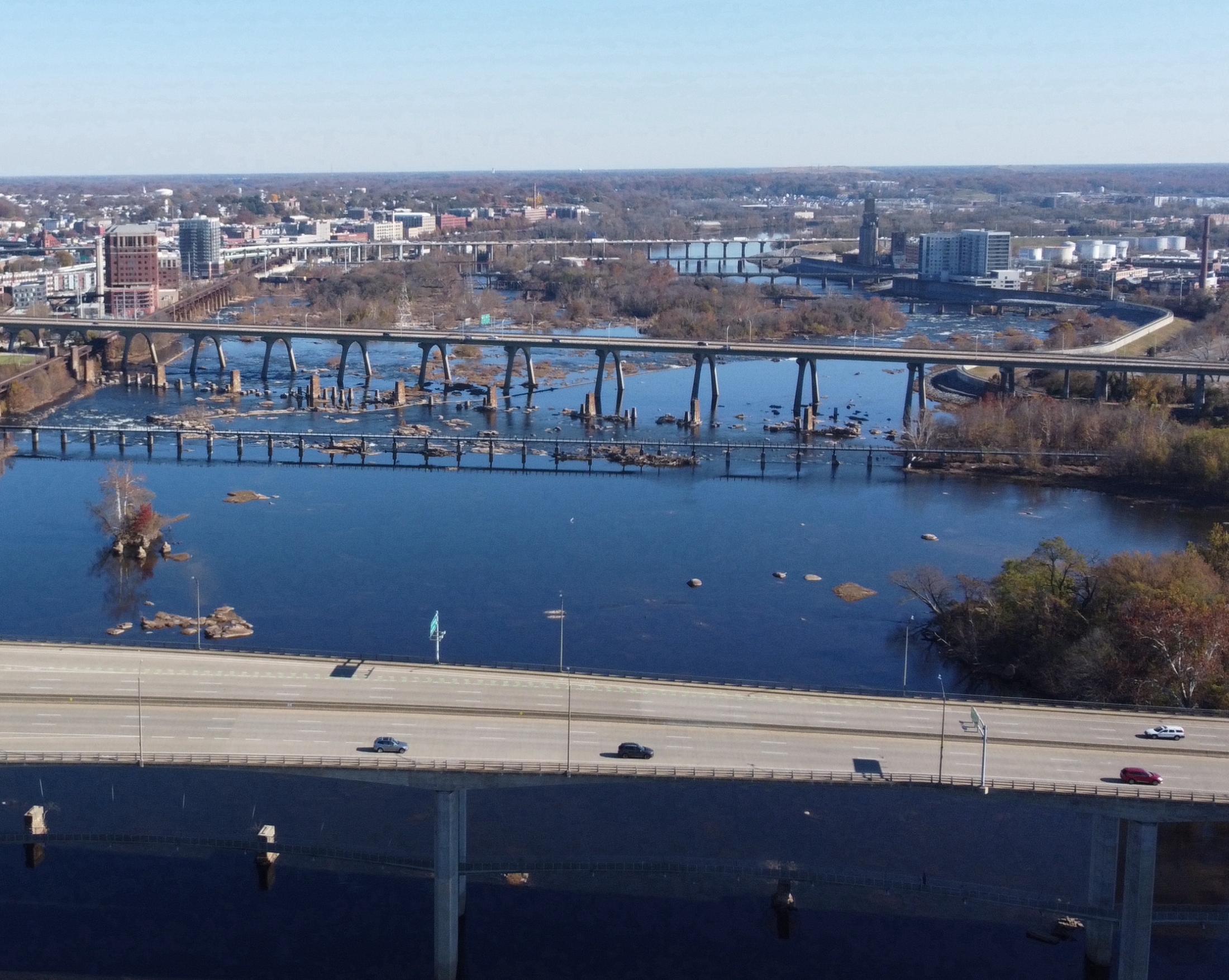
Spatiotemporal patterns of aquatic heatwaves in western US rivers
Heatwaves in river water temperature are increasing partly because of climate warming. This project synthesizes water temperature and wildfire data from rivers across the western United States to better understand how riverine heatwaves develop and how they are affected by wildfire. Team: Jonathan Walter, Steven Sadro, Adrianne Smits, Sarah Null, Curtis Gray, Spencer Tassone.

Fish Conservation with Foresight
This project will compare fish communities between major regions of the system and model fish data to see how species of interest respond in these different places to changes in the environment. This first quantitative regional comparison of wetland fish communities throughout the San Francisco Estuary will improve understanding of wetland functionality and fish conservation needs in the system. Team: Caroline Newell, Mikaela Provost, Levi Lewis, John Durand, and James Hobbs.